Why More Homeowners Are Choosing to Remodel Instead of Move
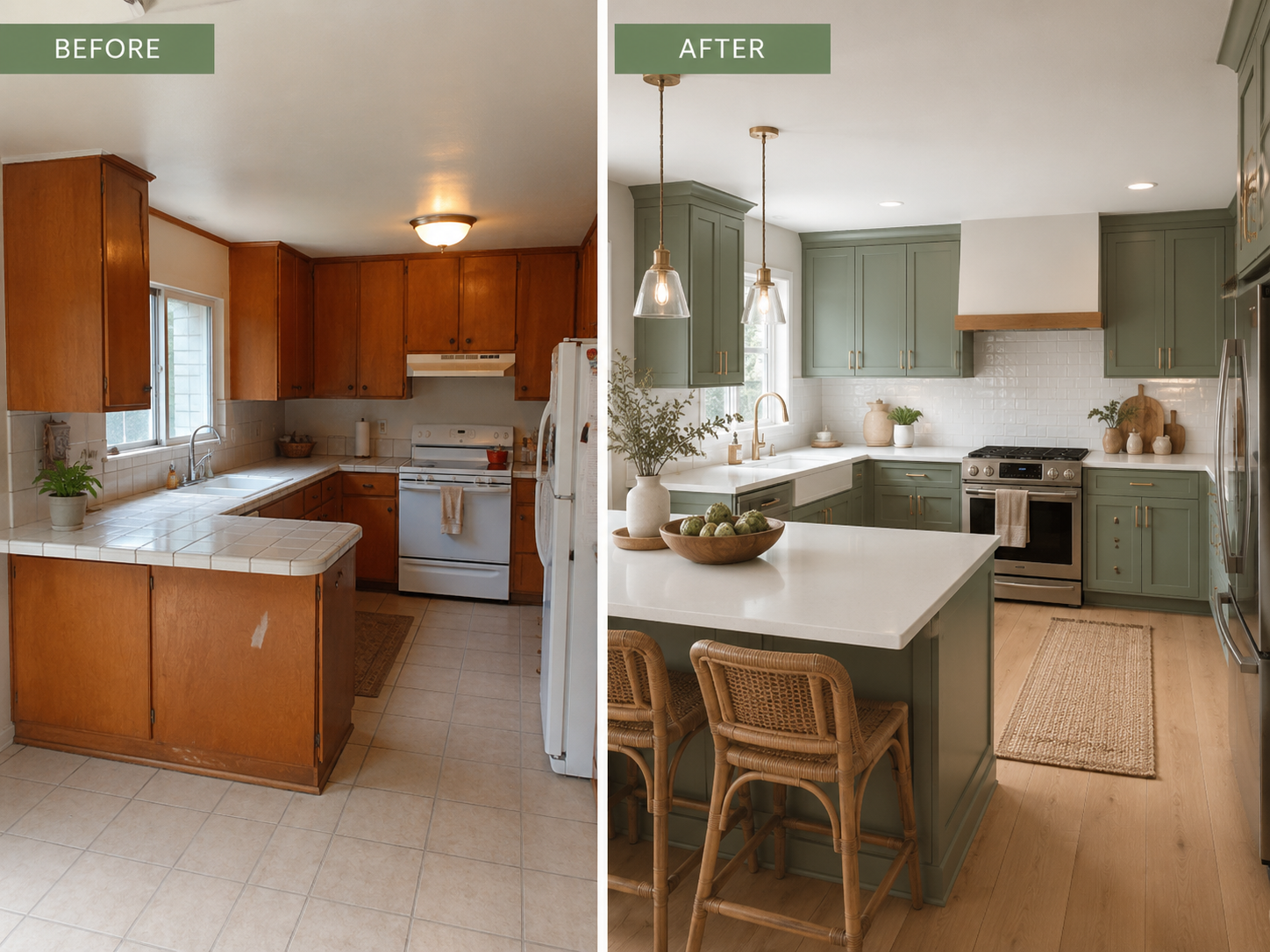
For years, moving was often seen as the natural next step when a home no longer fit a family’s needs.
Need more space? Move.
Want an updated kitchen? Move.
Working from home and need an office? Move.
But recently, more homeowners are asking a different question:
What if we stayed—and made our current home work better for us?
While moving is still the right decision in some situations, many homeowners are choosing to remodel instead. Between housing costs, interest rates, limited inventory, and emotional attachment to established neighborhoods, improving an existing home has become an increasingly attractive option.
Here’s why.
Build on What You Already Love
Buying a new home often means starting over—not just financially, but emotionally and logistically as well.
Many homeowners already love where they live. Their children are settled in school, they know their neighbors, their routines are established, and they’ve built years of memories in their homes. In those situations, the challenge isn’t necessarily the location—it’s that the house no longer supports the way they live today.
Remodeling allows homeowners to preserve the things they already value while improving the parts that no longer serve them. Whether that means opening up a floorplan, modernizing finishes, expanding living areas, or improving functionality, a remodel can offer a way to stay rooted while adapting to changing needs.
Create a Home That Fits Your Life Today
The way people use their homes has changed significantly over the last several years.
Spaces that once worked perfectly may now feel too small, inefficient, or disconnected from daily life. Remote and hybrid work, growing families, aging parents, multi-generational living, and a greater emphasis on entertaining and outdoor spaces have all changed what homeowners want from their homes.
Rather than entering a competitive market and compromising on location or features, many homeowners are choosing to invest in making their existing homes fit the lives they’re living now.
Renovate Instead of Competing
Even when homeowners are ready for a change, finding the next home isn’t always straightforward.
Limited inventory, competitive offers, and rising costs can make moving feel more uncertain than it once did. Selling one home while trying to purchase another also introduces timing challenges and additional transaction costs that homeowners sometimes underestimate.
For some, remodeling feels like a more controlled process. Instead of competing for a home that may still require updates after purchase, they’re investing directly into creating the spaces they actually want.
Unlock the Potential in Your Existing Home
One of the most common surprises homeowners encounter during the remodeling process is realizing how much potential their current home already has.
A kitchen redesign can improve flow and function. Reconfiguring underused rooms can create office space or additional bedrooms. Additions, whole-home remodels, outdoor living areas, and ADUs can dramatically change how a home feels without requiring a move.
In many cases, the goal isn’t necessarily creating more square footage—it’s creating better square footage.
Remodeling Can Be a Long-Term Investment
While remodeling decisions should first support how you want to live, strategic improvements can also strengthen long-term value.
Features like updated kitchens and bathrooms, energy-efficient improvements, flexible living spaces, and improved indoor-outdoor connection continue to appeal to future buyers.
That doesn’t mean every remodel will produce the same return, and maximizing resale value shouldn’t always be the primary goal. But thoughtful improvements can often create both immediate enjoyment and long-term benefits.
When Moving Still Makes Sense
Remodeling isn’t always the right answer.
There are situations where moving may create better opportunities—especially if your location no longer works for your lifestyle, your lot limits expansion, or the scope of work exceeds what makes financial sense.
The goal shouldn’t be to remodel at all costs or move at the first inconvenience. The best decision is the one that supports both your current needs and your long-term goals.
Start With the Question, Not the Project
One of the biggest mistakes homeowners make is assuming they already know the solution before exploring their options.
Sometimes a remodel is exactly the right move. Other times, buying or selling opens doors that remodeling can’t.
The most valuable first step is understanding what’s possible before committing to either path.
Thinking About Remodeling Instead of Moving?
If you’ve been wondering whether your current home still has room to grow with you, taking time to evaluate both paths can help you move forward with more confidence.
Because sometimes the home you want isn’t somewhere else—it may be the one you already have.